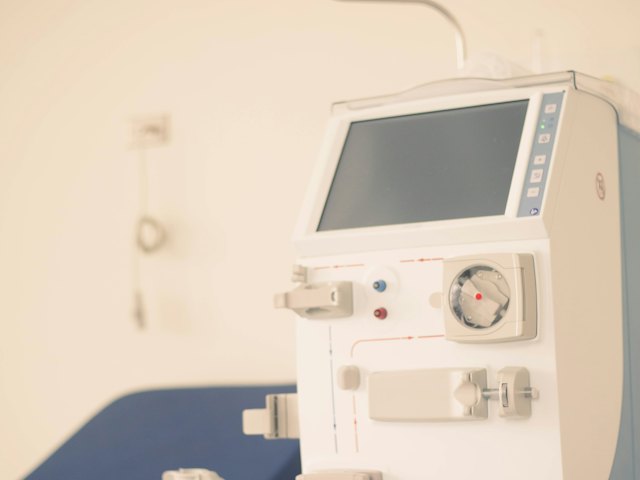
How it works
Peritoneal dialysis (PD) uses the lining of your belly as a filter. A surgeon puts a soft tube into your belly. You fill your belly with a special fluid through the tube. The fluid takes up waste and extra water. After some hours, you drain the fluid and put in new fluid.
Where it happens
You do PD at home, every day. Your renal team trains you or a family member first.
Who may use it
Your nephrologist decides if PD suits you. You need a clean place at home to do the exchanges and to keep the supplies.
In Kenya
Few patients in Kenya use PD today. Ask your renal team if a unit near you offers PD training and supplies.
What SHA pays
SHA pays KES 85,200 a month for peritoneal dialysis. Check the details with your unit and with SHA.
Warning signs
Tell your renal team at once if you have:
- Cloudy fluid when you drain.
- Pain in your belly.
- A fever.
- Redness or pus where the tube leaves the skin.
Sources and review
Written by Editorial team. Not yet reviewed.
- Legal Notice 146 of 2024, Tariffs for Healthcare Services (peritoneal dialysis).
This guide is general information. It is not medical advice. Editorial policy.